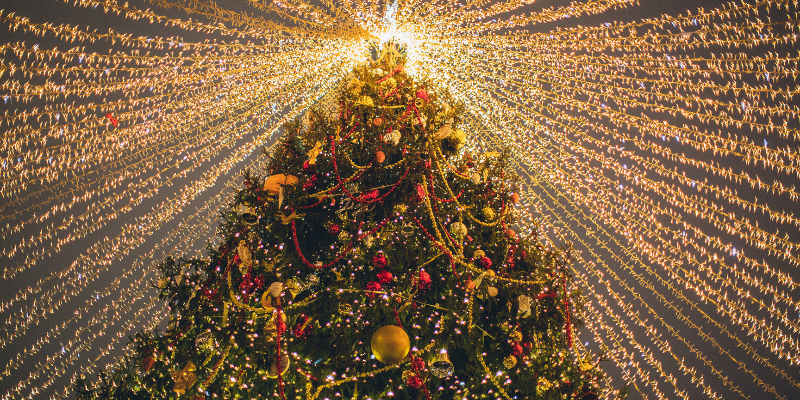
Every great holiday light show looks effortless from the driver's seat. Twinkling tunnels, a perfectly timed song, a kid pressing their face to the window. What guests don't see is the organizer watching a line of cars stretch around the block at 5:45 p.m., wondering whether the generator will hold out and if anyone remembered the extra traffic cones.
Whether you're running a drive-through display, a tree or menorah lighting, a drone show, or a full holiday village, the same handful of details separate the nights that feel magical from the ones that feel frantic. This guide walks through them, from safety and crowd flow to funding and the little touches guests remember, so you can spend the night enjoying the glow instead of putting out fires (figuratively, of course).
A quick note on timing: if your event is days away, focus on the safety, crowd flow, and checklist sections. If you're already thinking about next year, bookmark the whole thing. The best holiday events are planned months ahead.

The Details That Get Overlooked
Every type of holiday event has one logistical "gotcha" that always seems to catch first-time organizers off guard.
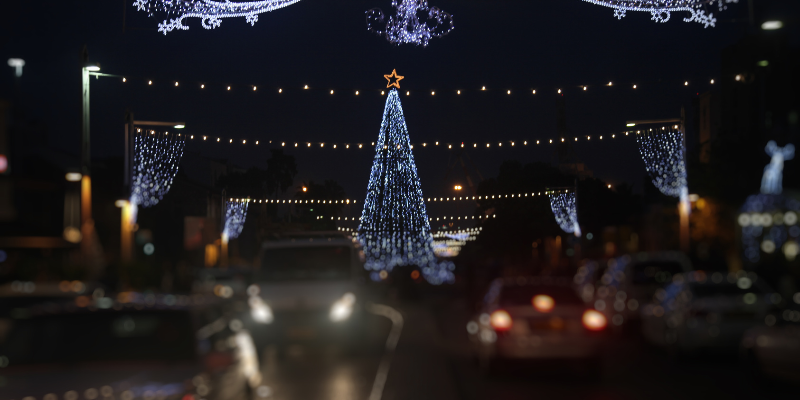
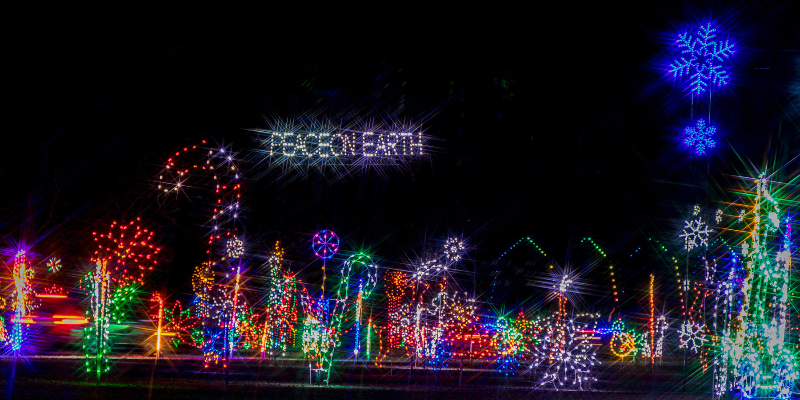
Drive-through light shows. The gotcha is traffic. A slow, steady line of cars is the whole experience, and one stalled vehicle or a poorly placed entrance can back things up onto public roads. Plan your queue length, staging area, and exit route before you plan a single light display.
Tree and menorah lightings. The gotcha is the ceremony itself. These are often short, fixed-time gatherings with a big crowd arriving at once, and they carry cultural or religious meaning. Sightlines, sound, and a respectful run of show matter more than elaborate production.
Drone shows. The gotcha is regulation and weather. Commercial drone shows generally operate under FAA rules that go beyond the basics, and wind, cold, and low visibility can ground a show quickly. Most organizers hire an experienced operator rather than running one themselves.
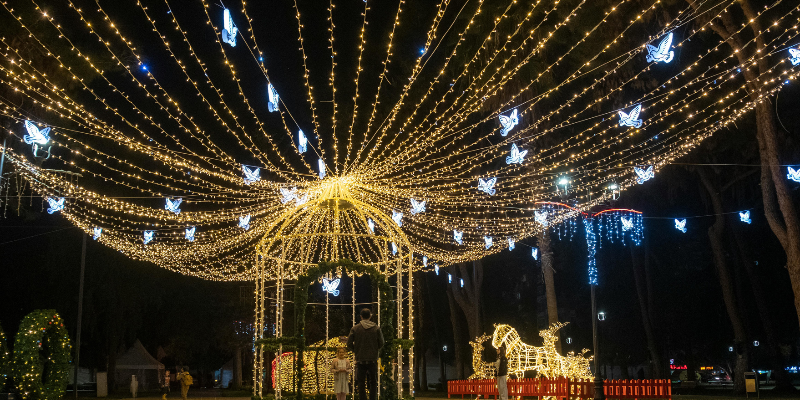
Holiday villages and markets. The gotcha is dwell time. Guests wander, shop, and linger, so capacity, restrooms, warming spots, and vendor coordination all add up quickly.
Safety, Permits, and Insurance
This is the unglamorous part, and the part you really don't want to learn about the hard way.
-
Electrical load. Add up the draw of every display, then add a cushion. Overloaded circuits and daisy-chained extension cords are among the most common causes of failures. Use outdoor-rated, properly gauged cords and GFCI protection, and keep connections off the ground and out of puddles.
-
Fire safety. Keep fire lanes clear, know where extinguishers are, and talk to your local fire marshal early. They can tell you about occupancy limits, decorations, and any open flame rules (important for menorah lightings and anything with candles or heaters).
-
Permits and insurance. Depending on your city or county, you may need event permits, street or park use approvals, noise variances, or temporary signage permits. Event liability insurance is worth having even when it isn't required, and many venues and sponsors will ask for proof of coverage.
-
Drone-specific rules. In the U.S., drone light shows typically run under an FAA Part 107 waiver covering things like night operations and flying multiple drones with one pilot, and airspace authorization is a separate step. Waivers set requirements for flight crew, observers, and restricted areas around the show. If you're hiring a drone company, ask to see their current waiver and insurance, and confirm who is responsible for airspace approval at your location. Rules change, so verify the current requirements with the FAA and your operator before you sign anything.
-
Religious and cultural ceremonies. If your event includes a menorah lighting or another faith-based observance, involve members of that community in the planning. Ask about timing, language, and traditions, and make sure the person leading the moment is someone the community trusts.
Crowds and Traffic Flow
Most holiday events don't fail because the lights weren't good enough. They fail because everyone showed up at 6:30 p.m.
-
Separate vehicles and pedestrians wherever you can. If you must mix them, use barriers, clear signage, and trained volunteers.
-
Build a staging area so the line forms on your property, not on a public road. Estimate how many cars your queue holds and what happens when it's full.
-
Plan for sightlines. For standing events, think about where kids, wheelchair users, and people at the back of the crowd will be able to see.
-
Mark entries, exits, and emergency routes clearly, and brief everyone on them.
The single best tool for smoothing out demand is timed entry. When guests book an arrival window, you spread traffic across the evening instead of absorbing it all at once, and you can cap capacity per slot. If you're using a platform like Passage, timed ticketing lets you set arrival windows and limits for each one, whether that's cars per half hour for a drive-through or guests per slot for a holiday village. It also gives you a rough headcount before the doors open, which makes staffing much easier.
Power, Tech, and Weather Backup Plans
December weather has opinions. Plan for them.
-
Generators and backup power. Size generators for your real load, keep fuel on hand, and decide who is responsible for monitoring them. If power is critical to the show, have a backup plan.
-
Weatherproofing. Check that connections, controllers, and speakers are rated for outdoor use, and protect them from moisture and cold. Batteries drain faster in low temperatures.
-
Set your go/no-go criteria in advance. Decide what wind speed, precipitation, or temperature triggers a delay or cancellation, and who makes the call. Drone shows are especially sensitive to wind and visibility, so build in a backup date.
-
Communicate changes fast. Have a plan for reaching ticket holders by email, text, and social media if you need to delay or reschedule. A clear rain-date policy up front saves a lot of frustrated messages later. (Psst! Passage makes it simple to email all ticket holders for an upcoming time slot.)
Making It Welcoming
A great event feels like it was designed for everyone who walks or drives up.
-
Accessibility. Provide accessible parking, level paths, viewing areas for wheelchair users, and clear signage. For drive-throughs, consider how guests with sensory sensitivities can opt for lower sound or a quieter experience.
-
Inclusivity across traditions. Holiday events can celebrate many traditions at once. Consider how your displays, music, and messaging reflect the community you serve.
-
Comfort. Warming areas, restrooms, seating, and water stations make a long evening feel hospitable. In cold weather, these aren't extras.
-
Clear, friendly signage. Guests shouldn't have to guess where to park, where to line up, or where the restrooms are.
Cost can also be a barrier. Offering pay-what-you-can tickets or optional donations lets families join in without hesitation, and gives generous guests a chance to give back. If you sell tickets through Passage, you can include pay-what-you-can pricing and donation options right at checkout, so there's no separate system to manage.
Volunteers and Staffing
Your volunteers are the face of the event. Set them up to succeed.
-
Define roles. Traffic and parking, greeters, ticket check, accessibility support, first aid contacts, and a roaming problem-solver cover most needs.
-
Brief everyone before every shift. Walk through the layout, emergency procedures, and the three most common questions guests will ask.
-
Plan shifts realistically. Cold, late-night work wears people out. Rotate roles, schedule breaks, and keep hot drinks handy.
-
Name one point of contact. On the night, everyone should know who makes decisions and how to reach them, whether by radio or phone.
-
Say thank you, loudly. A small gift, a shout-out, or a post-event meal goes a long way toward getting volunteers back next year.
Funding and the Guest Experience
Holiday events cost real money, and the best ones find ways to pay for themselves while adding to the experience.
Sponsors. Local businesses are often eager to be part of a beloved seasonal event. Make it easy to say yes: offer clear sponsorship tiers, spell out what each includes, and follow through on recognition. Chasing payments by email is a drag, so use a system that lets you send invoices and track what's been paid. Passage makes it easy to send invoices to sponsors (and even split the payments), so you can keep your sponsor list and payments in one place.
Bundles and concessions. Few things say "holiday" like hot cocoa and cookies. Selling a ticket and merch bundle, such as a carload ticket with a cocoa and cookie add-on for the ride, boosts revenue and speeds up the evening. Because guests have already paid, concessions become a quick handoff instead of a line of people digging for cash. Bundles also work well for village events (a family pack with a keepsake ornament, for example) and can be offered through Passage alongside your tickets.
The little touches. For drive-throughs, sync the lights to a radio station or playlist so guests can listen from the car. Create a couple of photo-friendly moments, like a lit archway or a themed backdrop. Add a clear, low-pressure donation prompt for a cause your event supports.
Pre-Show Checklist
Save or print this list and adapt it to your event.
A Few Weeks Out
-
Confirm permits, insurance, and any required approvals (including drone waivers and airspace authorization, if applicable)
-
Meet with your fire marshal, and with local police if traffic will be affected
-
Finalize site layout: queue, staging, entry, exit, parking, restrooms, first aid
-
Open ticketing with timed entry, pay-what-you-can options, and bundles
-
Confirm sponsors, send invoices, and plan recognition
-
Recruit volunteers and assign roles
-
Order cones, barriers, signage, extension cords, and extra bulbs
A Few Days Out
-
Check the weather and review your go/no-go criteria
-
Test lights, power, sound, and any music sync
-
Hold a volunteer briefing and share a run-of-show document
-
Email ticket holders with arrival instructions, parking info, accessibility details, and the rain-date policy
-
Prep concessions and any prepaid bundle items
Opening Day
-
Walk the full site with your team, including the guest route
-
Confirm the point of contact and communication method (radio or phone)
-
Check generators, fuel, and extinguishers
-
Set up warming areas, restrooms, and signage
-
Brief volunteers one last time
-
Keep a printed list of key phone numbers on hand
-
Take photos and notes for next year
Final Thoughts
Hosting a holiday light event is a lot of work, and it's work that a lot of people will never see. But the moments they do see are the ones that stay with them: a family singing along in the car, a neighbor lighting a candle together, a child gasping at a wall of lights. Get the logistics right and you give your guests room to enjoy those moments, and yourself room to enjoy them too.
One last tip: right after the event, while it's fresh, jot down what went well and what you'd change. Future you will be grateful.
Planning a holiday event and want to make ticketing, sponsors, and donations simpler? Passage can help you set up timed tickets, pay-what-you-can pricing, sponsor invoices, and bundles in one place. Happy hosting, and may your lights shine bright!