
Nobody puts “emergency vomit protocol” on a glossy event brochure…but maybe we should.
Every event planning course teaches you how to build a run-of-show, manage vendors, and read a floor plan. What they don't teach you is what to do when your headliner shows up drunk, someone's angry ex is at the front gate, or there's a biohazard situation in the men's room 20 minutes before doors open.
These moments don't show up in the textbooks, but they show up on-site. And how you handle them says more about your operation than any perfectly executed run-of-show ever will. Here are seven situations that catch even seasoned organizers off guard, and how the pros quietly handle them.

1. When Someone Gets Sick…Literally
"Who actually cleans that up, and do we have the legal kit for it?"
Nosebleeds, vomit, bathroom accidents: with enough attendees, enough alcohol, and enough excitement, bodily fluids are simply part of doing business at scale.
Here's the part that trips people up: most general venue staff and volunteers aren't legally cleared to handle biological cleanup without the right PPE and disposal training. OSHA has pretty strict standards for handling bloodborne pathogens. Figure out ahead of time who on your team or venue staff is actually certified for this, and keep a cleanup kit on-site. Deciding this at 6:40 p.m. when doors open at 7 is too late.

2. When a VIP's Request Crosses a Line
"Our headliner just asked for something illegal, highly intimate, or bizarrely specific... do I comply?"
Riders go well beyond backstage snacks. Organizers occasionally field requests that are illegal, wildly inappropriate, or just plain unreasonable, from prescriptions to personal services to demands to remove a staff member because of a "vibe."
The instinct for junior staff is to say yes to avoid conflict with someone important. The better instinct, and the one experienced ops leads develop, is a calm, firm "we can't do that" that doesn't torch the relationship. Decide your non-negotiables before you're standing in front of someone famous asking for one.

3. When Your Keynote Can't Go On
"The keynote has had four scotches in the green room and goes on stage in 7 minutes. How do we pull the plug?"
A speaker who's had a little too much in the green room, or who's suddenly veering into territory that could get your event (or your sponsors) in trouble. This happens more than anyone advertises.
Nobody wants to be the one to pull a founder, sponsor, or celebrity off stage. Veteran stage managers have a playbook for this that doesn't involve a public confrontation: a "technical difficulty," a cut mic, a house-light reset. The goal is always the same: intervene without turning it into the story.

4. When Personal Drama Shows Up at Registration
"A guest’s estranged spouse/stalker is standing outside registration demanding entry. What do we do?"
Public guest lists, social check-ins, and open doors mean real life sometimes follows people to your event: an estranged partner, a process server, an unwanted visitor looking for someone specific.
Standard venue security is trained for crowd control, not civil disputes, so this often falls on your team to navigate. A simple "do not admit" protocol and a plan for a quiet, low-drama exit through a side door can turn a potential scene into a non-event.

5. When Load-In Politics Slow Everything Down
"The union rep/dock supervisor is refusing to move our crate unless cash changes hands. Is this normal?"
Union requirements, dock scheduling, and local venue politics can grind an entire setup to a halt: a missing adapter, a stalled crate, a labor dispute nobody warned you about.
New organizers often assume every rule is fixed and get stuck when the schedule doesn't move. Experienced planners build relationships with venue and dock staff ahead of time, budget a little goodwill (a coffee run goes a long way), and know which local norms are worth understanding in advance…always staying inside what's actually permitted at that venue.
6. When Private Spaces Get...Used
"What do I do if attendees or performers are using breakout rooms or private dressing spaces for hookups?"
Green rooms, breakout rooms, and quiet corners at multi-day events can become spaces for behavior you didn't plan for, from hookups to theft.
The fix isn't awkward confrontations after the fact; it's prevention. Lock what should be locked, schedule regular sweeps of low-traffic areas, and keep an access roster for any space that isn't public.
7. When It's a True Emergency
"If someone collapses or dies on-site, how do we handle the other 1,000 people in the room?"
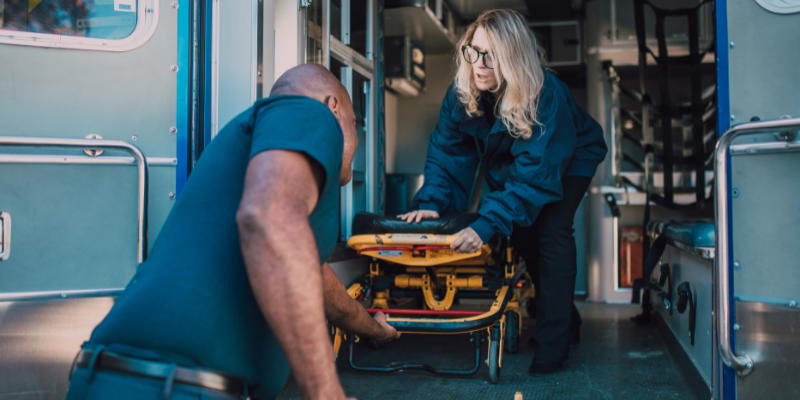
Medical emergencies happen at scale simply because crowds are made of people. The hard part usually isn't calling for help…it's everything around it: keeping foot traffic moving, discouraging bystanders from filming, and deciding whether the show goes on.
Have this decided before you need it: who calls it, who manages the crowd, and who makes the call on pausing programming. A plan you never need is a much better outcome than improvising one in real time.
Have you ever encountered one of these situations at an event? Tell us about it in the comments!