Something is pulling people back right now.
Summer 2026 has produced one of the clearest nostalgia waves in recent cultural memory. Spotify data shows user-created "2016" playlists surging over 790% since January, and over 1.7 million posts have appeared under #2016 on TikTok alone. Festival lineups are stacked with acts that dominated a decade ago. Theme parks are hosting adults-only throwback nights. Bars are running decade-themed parties that sell out weeks in advance.
Nostalgia isn't a niche trend. It's a mainstream cultural appetite. And for independent event organizers, it's one of the most accessible and repeatable event formats going right now.
Here's why it works, and how to run one successfully.
Why Nostalgia Events Work So Well Right Now
The simple answer is that people enjoy reliving good memories. But what's driving this particular wave? IT goes a bit deeper.
The psychology behind this moment is well documented. Nostalgia is a psychological coping mechanism that helps regulate emotions when stressed. In 2016, social media encouraged casual sharing: Snapchat stories disappeared after 24 hours, Instagram feeds were imperfect, and influencers still felt relatable. By 2026, the internet feels far more curated and corporate. AI-generated content floods our timelines, trends appear and disappear within hours, and authenticity often feels performative. Against that backdrop, a throwback event with a themed playlist, a photo booth, and decade-appropriate snacks isn't just fun. It's a deliberate act of reconnection with something that felt real.
As one event creative director put it: "The great thing about nostalgia is that it can target any generation. It's safer than picking a demographic. If you choose, say, the '80s as a general theme, that stirs nostalgia in nearly everyone alive, whether they lived it or not."
For event organizers, that breadth of appeal is the key. A well-executed throwback event doesn't require a niche audience. It finds one naturally.
Pick an Era with Intention
The single most important decision in planning a nostalgia event is choosing the right era for your audience…and committing to it fully.
A few frameworks we’ve seen work for nostalgia events:
-
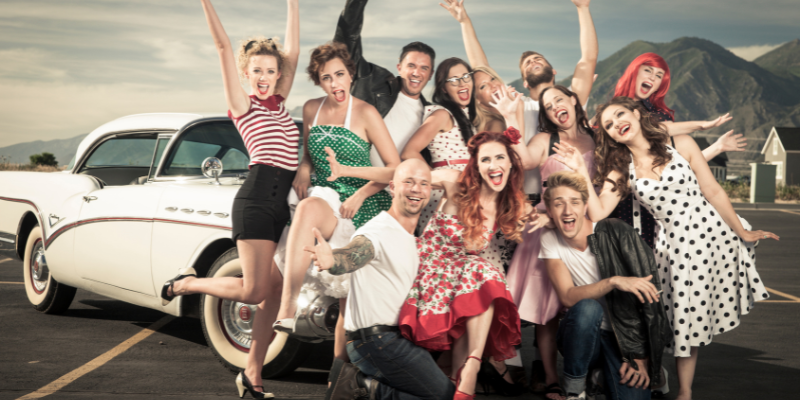
Think about who's in the room. A 90s night lands differently for a crowd in their late 30s and 40s (who lived it) versus a crowd in their early 20s (who are discovering it for the first time through TikTok and their parents' playlists). Both work, but the execution is different. The first group wants recognition; the second wants discovery. (...and yes. The -90s are vintage now 😭)
-
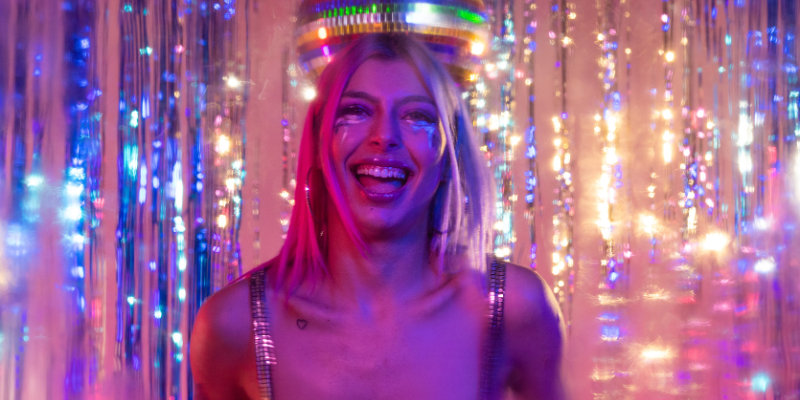
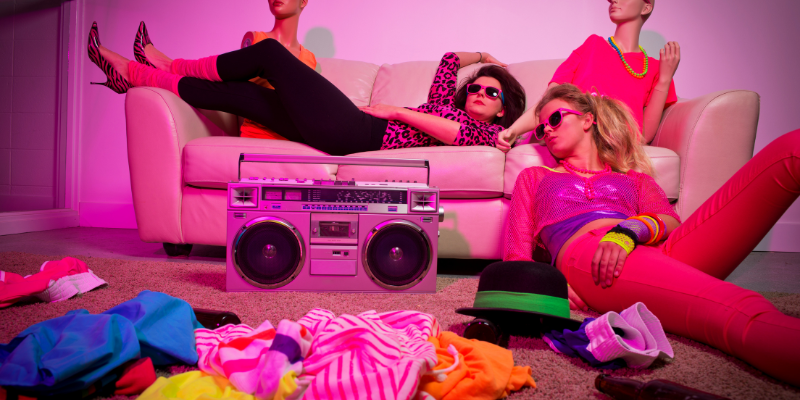
Go specific, not general. "Throwback night" is pretty vague. "Y2K party" is specific. "90s hip-hop night" is even more specific. The more specific the era and theme, the easier it is to market, decorate, curate a playlist for, and give attendees something to rally around. Y2K throwback events are dominating TikTok and Pinterest right now: think neon lights, throwback playlists, Polaroid photo booths, and fashion that reads vintage-but-modern.
-
Anchor to something real. The nostalgia events that work best aren't just "music from that decade." They're built around specific cultural touchstones (a TV show, a sports era, a musical moment) that give attendees a shared reference point.
Build the Experience Around Sensory Details
Nostalgia is a sensory experience before it's an intellectual one. People aren't just trying to remember a decade…they're trying to feel it again. That means the details matter more than they do at a standard event.
A few high-impact, low-cost elements that consistently work:
-
Music. This is the non-negotiable. The playlist has to be right, and it has to be specific to the era. If you're running a 2000s night, that means early pop-punk and hip-hop, not a general "hits" compilation that drifts into the wrong years. Get the music wrong and the whole premise falls apart.
-
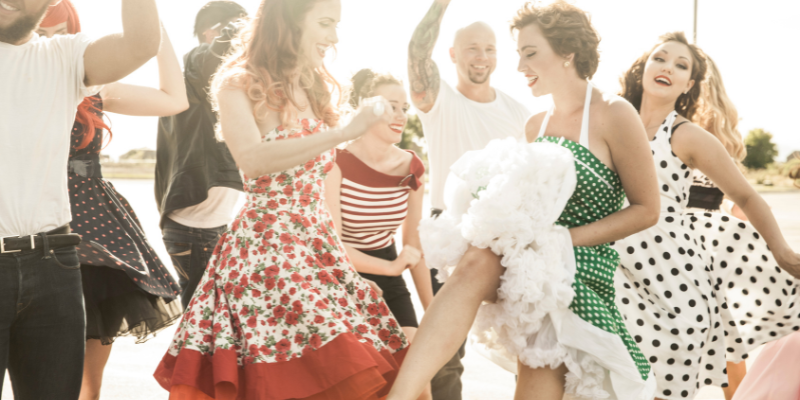
Visuals. Decade-appropriate decor doesn't have to be expensive. Printed posters, thrifted props, and era-specific color palettes do more than a blank venue with a themed sign. Photo opportunities with recognizable visual anchors from the era (think retro TV sets, arcade cabinets, vintage sports jerseys on display). Give attendees something to interact with and post.
-
Food and drink. Themed menus are underutilized at most nostalgia events. Childhood-era snacks and decade-specific cocktails are easy to execute and consistently generate social media posts. The bar at a 90s night serving "Dunkaroo dip" or a "Surge" cocktail is doing real marketing work.
-
Dress code. Encouraging (not requiring) era-specific attire does something important: it signals to your audience that this is a participatory event, not a passive one. People who dress up are invested before they arrive. They also create a more immersive atmosphere for everyone else.
Ticket It Like You Mean It
Nostalgia events have a specific sales dynamic worth understanding: the announcement often does more work than any subsequent marketing push.
When you drop the concept ("90s night at [venue], [date]"), you'll typically see a spike of interest immediately from people who feel the pull of the theme. That's the window to capture. A ticketed event with early bird pricing converts that initial enthusiasm into a purchase before it cools off. A free or unticketed event lets it evaporate.
Even if admission is free, requiring a ticket or RSVP gives you a headcount, a guest list for future events, and the ability to manage capacity…which matters more for nostalgia events than most, because they tend to draw larger-than-expected walk-up crowds when the theme resonates.
A few things that work well for nostalgia event ticketing:
-
Tiered pricing by commitment level. Early bird, general admission, and VIP tiers (VIP might mean reserved seating, a themed welcome drink, or a meet-and-greet if you have a live act) let you capture revenue at different price points and create urgency at the top of the funnel.
-
A themed event page. The ticket purchase page is part of the experience. A well-designed event listing with era-appropriate visuals and copy that leans into the theme converts better than a generic placeholder. (Passage lets you customize your event page with images, descriptions, and ticket tier names: use that to reinforce the concept before someone even buys.)
-
QR codes on promotional materials. Flyers, social posts, and venue signage with a QR code linking directly to your ticket page remove the friction between "I want to go" and "I bought a ticket." For a nostalgia event with a strong visual theme, a well-designed flyer is already doing marketing work…make sure it converts.
Promote it where the nostalgia already lives
The best channel for marketing a nostalgia event is wherever your audience is already talking about that era.
For 90s and 2000s content, that's TikTok and Instagram, where throwback content consistently outperforms newer material in engagement. Post decade-specific content in the weeks leading up to your event: throwback clips, "you know you're coming if you remember..." posts, polls about the era. You're not just promoting the event; you're participating in the cultural moment your event is built around.
Facebook still works for community-based events, particularly for audiences in their 30s and 40s who are more likely to be active in local groups. A well-placed post in a local nostalgia or community group can drive significant registrations for a geographically specific event.
Email works too, especially if you have an existing list. A subject line that leans into the nostalgia ("Take us back to [year]" or "You're invited to [decade] night") tends to outperform generic event announcements.
Make It Repeatable
The best thing about a successful nostalgia event is that the format scales. A 90s night that sells out becomes a series. A throwback sports night becomes a seasonal tradition. A decade-themed dinner becomes the most anticipated event on your annual calendar.
Build in the infrastructure from the first event: collect emails at registration, survey your attendees about what they loved and what they'd want next time, and let your most enthusiastic guests know they'll have first access to the next one. The community you build around a shared cultural memory is one of the stickiest audiences in event organizing.
The broader event trend reinforces this: puzzle nights, book clubs, pottery-and-wine sessions, and themed social events are thriving because they allow for genuine connection without a networking face required. A nostalgia event, done well, is the same thing: a reason to be somewhere together, built around something that already means something to the people in the room.
That's a hard thing to manufacture. When it's real, it sells itself.
Ready to Run Your Throwback Event?
Passage makes it easy to set up a ticketed event page, manage early bird pricing and ticket tiers, and scan tickets at the door from any phone or tablet. If you have questions about setting up your event, our team is here to help. Schedule a no-pressure call with one of our helpful event experts or reach us at help@gopassage.com.

/Two%20young%20girls%20smiling%20into%20camera%20holding%20a%20foam%20finger%20at%20a%20sporting%20event.png)